

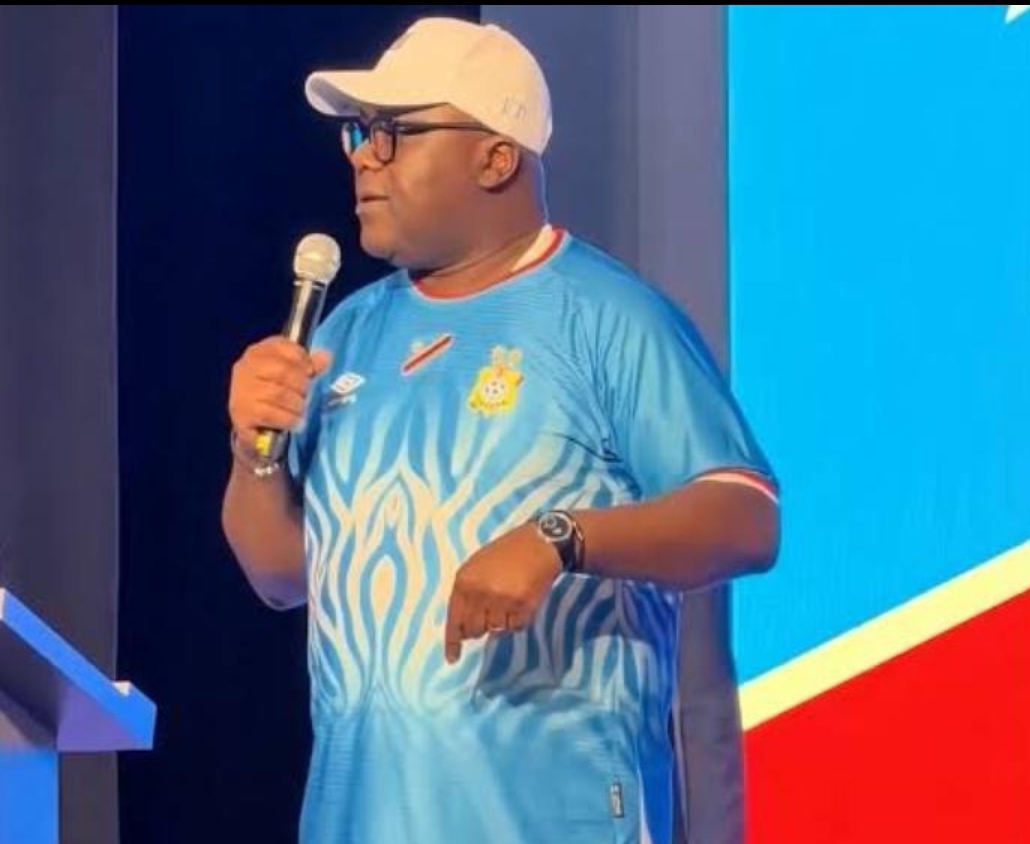
For the first time since the massive May 12 protests led by the opposition coalition C64, President Félix Tshisekedi appeared before the Congolese diaspora in Houston, Texas. His speech was a barrage of insults aimed at silencing critics and buying time for a failing presidency. And to dismiss his words as aimless outbursts would be a grave mistake. In reality, they served three clear, cynical objectives.
First, Tshisekedi is manufacturing enemies. He accused outsiders of installing “their dog,” a man they could control, an unmistakable jab at his predecessor, Joseph Kabila, who peacefully handed over power to him in 2018. By demonizing Kabila and painting the C64 opposition as traitors and foreign puppets, Tshisekedi is justifying the violent repression his regime has already unleashed, and, worse, inciting more of it.
This is not new. For years, his regime has weaponized xenophobic rhetoric against those deemed “of doubtful nationality,” with predictable consequences: unmitigated violence against Congolese Tutsi. Now, Martin Fayulu and his allies are the targets. Tshisekedi is not apologizing for police brutality or youth league attacks; he is encouraging them.
Second, this is a calculated distraction. Beyond his constitution-changing ambitions which are marred by corruption and power-grabbing, Tshisekedi’s actual record is difficult to defend. Under his watch, the DRC has plunged deeper into insecurity, debt has skyrocketed, youth unemployment remains catastrophic, and virtually none of his electoral promises have been met. No serious debate would grant him another term. So he avoids that debate entirely. By stoking outrage and tribal fear, he shifts public attention away from his failures and onto imagined external threats.
Finally, Tshisekedi is cynically wrapping himself in the flag. He presented himself in Houston as a nationalist defender of the DRC against foreign predation. This would be laughable if it weren’t so tragic. The same man has traded the country’s mineral wealth in exchange for personal security guarantees and foreign backing, all to cling to power.
Insults dressed in nationalist garb may buy him time, but they do not buy loyalty. The streets of Kinshasa already delivered their verdict on May 12. Tshisekedi is not the people’s choice, and no amount of distraction will change that. The streets have spoken and they will speak again.