

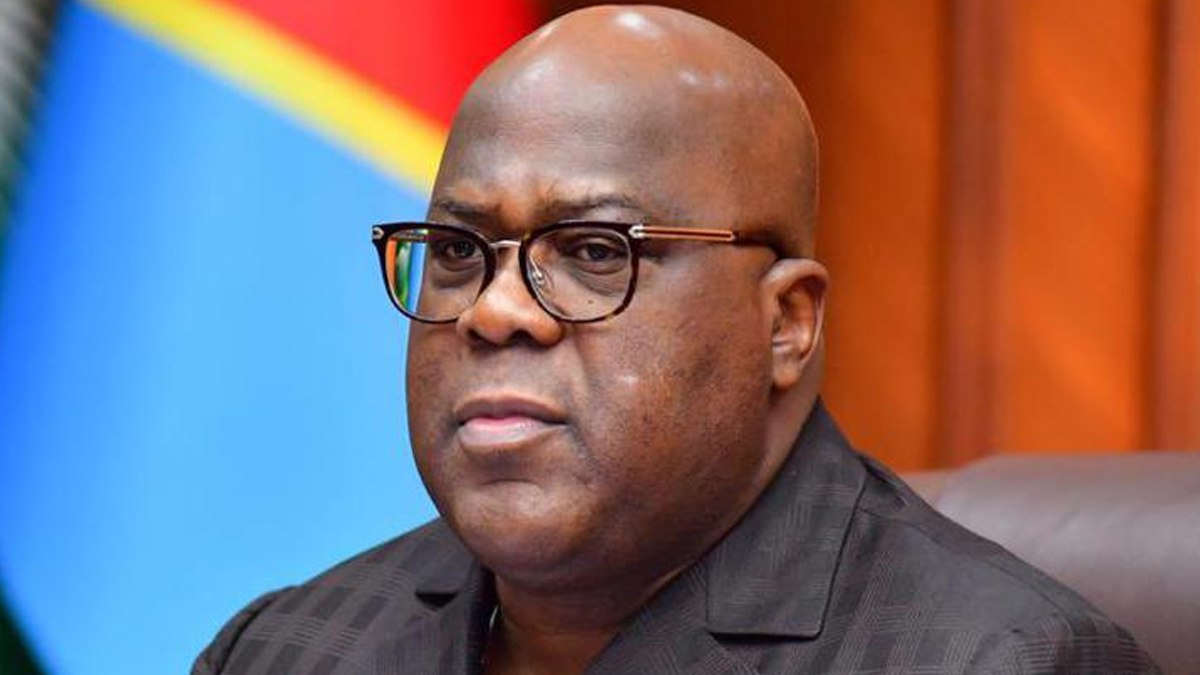
When Félix Tshisekedi assumed the presidency of the Democratic Republic of Congo in January 2019, he presented himself as a leader who would bring fundamental change to a country burdened by decades of instability, corruption, and weak governance. He made ambitious promises to restore security, root out corruption, strengthen democratic institutions, and improve the lives of ordinary Congolese citizens. However, nearly eight years into his presidency, those promises remain unmet, and the country’s major challenges have only worsened.
A failed security strategy
At a campaign rally in Goma on December 4, 2018, Tshisekedi emphasized security as his central commitment, vowing that restoring peace and security, particularly in eastern DRC, would be his first priority.
Tshisekedi’s then campaign director Vital Kamerhe said: “I told Félix that the Minister of Defence we appoint will come from North Kivu to put an end to the daily killings in Beni, Butembo, and the Masisi territory. That is our first priority.”
Tshisekedi went further, promising to personally oversee security efforts, spend more time in eastern DRC, and bring the presidency closer to communities affected by conflict.
But years later, the security situation in North and South Kivu and Ituri remains one of the biggest challenges facing his administration. Tshisekedi himself has not set foot in those areas for years, choosing instead to shuttle through Western capitals.
The state of siege imposed in North Kivu and Ituri in 2021 failed to deliver the lasting peace that many citizens had expected. Worse, Kinshasa has only reinforced the very armed groups it was supposed to neutralise, transforming them into auxiliaries in the war against the AFC/M23 movement.
Rampant corruption
Tshisekedi also came to power promising a strong fight against corruption. He pledged to govern in the interest of ordinary citizens rather than political elites and promised to end impunity for those who misuse public resources.
However, Congolese view his administration as the most corrupt in Congo’s history, which is quite a feat considering the country’s political history. Corruption, misuse of public funds, and questionable management of state resources have continued to surround officials close to the presidency.
Several reports and investigations have raised allegations involving members of Tshisekedi’s family and close associates, including claims related to financial misconduct, money laundering, and influence over mining assets.
In July 2025, lawyers representing Congolese civil society organizations from Katanga and four former executives of the state mining company Gécamines filed a complaint with Belgian federal prosecutors targeting nine relatives and associates of President Tshisekedi, including members of his immediate family.
While Tshisekedi’s presidency promised stronger accountability and anti-corruption enforcement, systemic corruption remains deeply rooted, and his government has failed to meet the expectations created by his campaign promises.
A repressive machinery imposing a climate of fear
Tshisekedi also presented himself as a defender of democracy and political freedoms, promising a clear break from what he described as “authoritarian” practices under former President Joseph Kabila.
Yet human rights organizations have continued to raise concerns about the state of democracy under his leadership. Reports have documented arrests of opposition figures and activists, restrictions on some demonstrations, pressure on journalists, and challenges faced by civil society organizations.
A major example was the arrest of Stanis Bujakera, a prominent Congolese journalist who worked with Reuters and Jeune Afrique. On September 8, 2023, Bujakera was detained in Kinshasa over an article published by Jeune Afrique concerning the killing of opposition politician Chérubin Okende in July 2023. The article raised questions about the possible involvement of state intelligence services.
The treatment of opposition leader Martin Fayulu has further intensified concerns about political openness. Fayulu, who maintains that he won the 2018 presidential election, has repeatedly faced violent repression and political restrictions during Tshisekedi’s presidency.
Tshisekedi entered office promising a new era for the DRC, one defined by peace, accountability, democracy, and better governance. But nearly eight years later, there are no tangible results to speak of. It has been one broken promise after another.