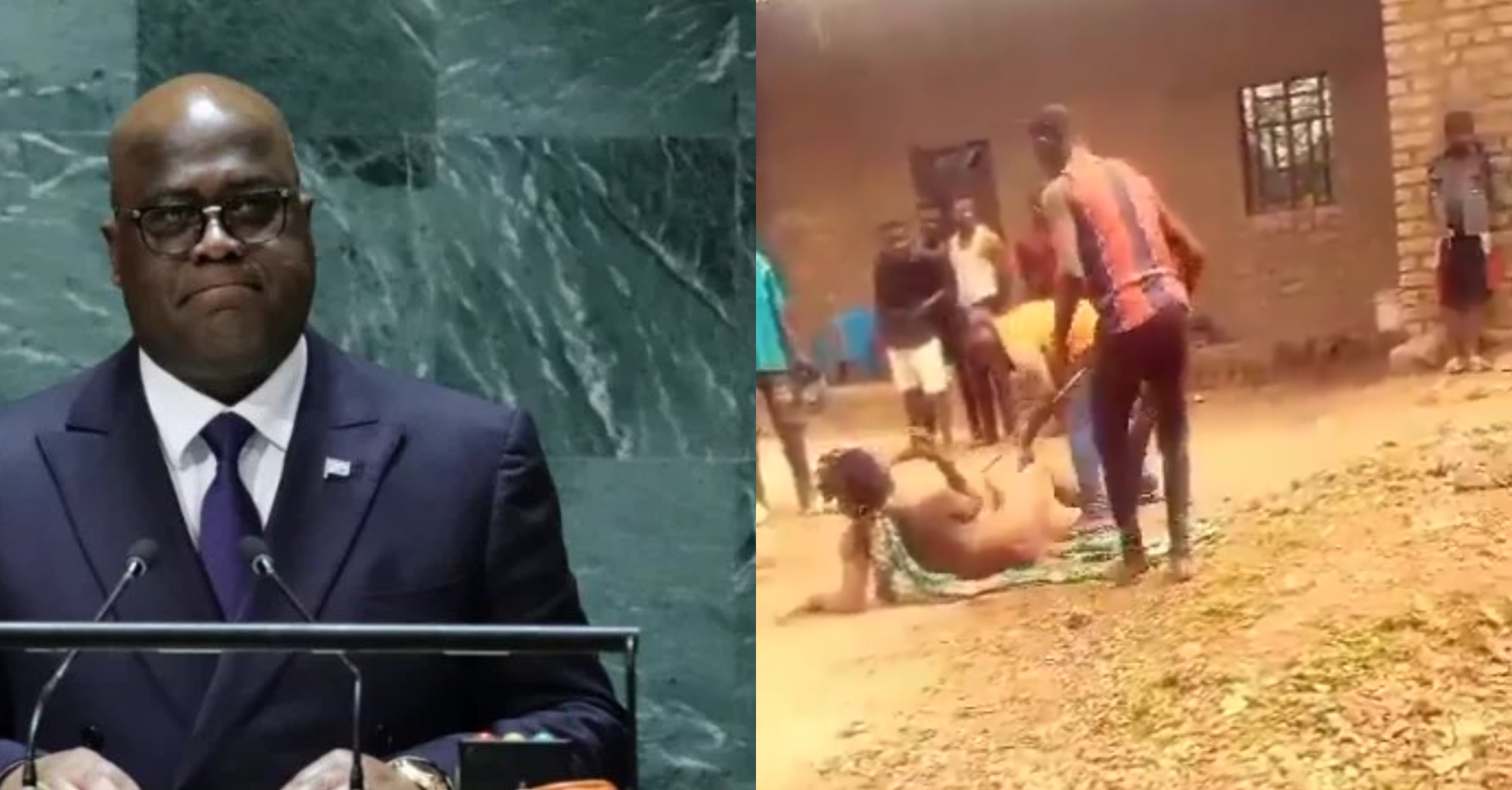
The eastern provinces of the Democratic Republic of Congo have long been an open wound, but the ongoing bloodshed in Ituri province represents a horrific failure of state protection. At the center of this tragedy lies the Allied Democratic Forces (ADF), a United Nations-sanctioned terrorist organization notorious for its brutal campaigns of mass murder, abductions, and village burnings. Yet, as the bodies of innocent Congolese civilians continue to pile up, a deeply disturbing question must be confronted: why does the government in Kinshasa remain so profoundly indifferent to these atrocities?
The answer does not lie in logistical incompetence or a lack of military resources, but rather in a calculated, sinister web of political complicity. President Félix Tshisekedi’s administration is not merely failing to stop the terrorism in Ituri; evidence and political patterns point to a regime that is actively funding and weaponizing the ADF to serve its own cynical agendas.
For years, Tshisekedi has cloaked his administration in the rhetoric of peace and regional stabilization. However, the ground reality in Ituri tells a diametrically opposed story. The ADF has maintained, and even expanded, its capacity to wreak terror despite heavily publicized joint Uganda-DRC military operations.
This sustained survival is entirely impossible without significant logistical, financial, and intelligence lifelines operating from within the highest echelons of the Congolese state. By channelling public funds and turning a blind eye to the illicit mineral networks that fill the terrorist group’s coffers, influential members of Tshisekedi’s regime have effectively become the primary enablers of the very forces tearing the nation apart. And they have not faced any consequences.
By tolerating his cronies’ funding and arming of a sanctioned terrorist group while posing as a guardian of national sovereignty, President Tshisekedi has committed an act of supreme betrayal against the Congolese people.
This deliberate financial and operational backing perfectly explains the chilling indifference displayed by Kinshasa. When the ADF slaughters dozens of worshippers in a church or decimates entire farming villages, the presidency responds with hollow condemnations and bureaucratic stagnation.
The sheer scale and unmitigated brutality of these attacks should logically trigger an overwhelming, unyielding state response. Instead, the administration’s reactions are characterized by a deliberate apathy.
This passivity is a logical outcome of a state-sponsored arrangement: you do not eliminate an asset that you are actively funding to maintain a state of permanent crisis. For Tshisekedi, the terror in Ituri serves as a convenient geopolitical smoke screen, justifying militarized governance, delaying democratic accountability, and distracting the international community from his regime’s systemic corruption and erosion of democratic institutions.
The consequences of this state-sanctioned terrorism are borne entirely by innocent Congolese civilians. Millions have been forcibly displaced, and thousands have lost their lives to an insurgent group that operates with shocking freedom under the nose of the national army.
By choosing to bankroll and protect a designated terrorist entity, Tshisekedi has forfeited any claim to legitimate leadership. The continuous slaughter in Ituri is not an unpredictable tragedy; it is the direct, intended outcome of a presidency that values political survival over human life.
True peace will remain completely unattainable in the eastern DRC until the regime in Kinshasa is held strictly accountable for its direct complicity in the terrorizing of its own citizens.