

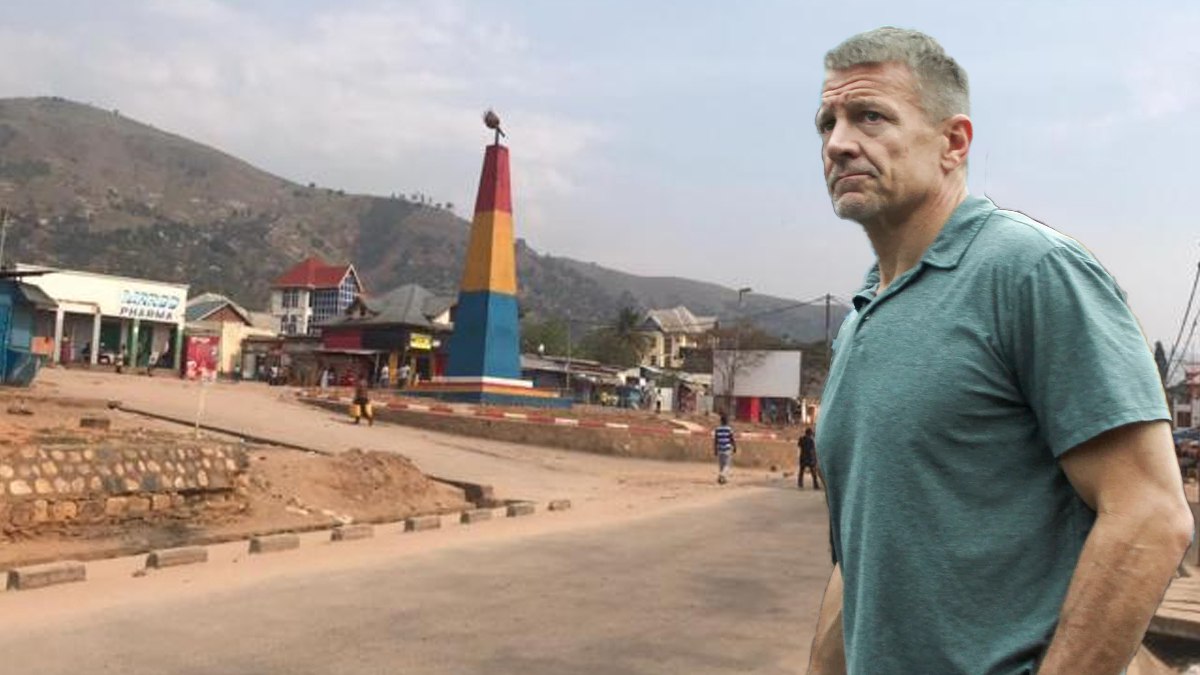
Since yesterday, Congolese circles have adopted a new lie that is deeply flawed and devoid of logic. The story circulating across headlines claims that Erik Prince, the man associated with mercenaries under the name of Blackwater, deployed military technology, drones and other tools to help FARDC fight and push M23 out of Uvira city.
What is amusing is how so-called international media outlets like Reuters amplified it like wildfire, without the slightest effort to question its credibility.
The intent behind this narrative is clear. FARDC and its coalition, backed by foreign mercenaries, supposedly defeated M23 and reclaimed the city.
Back in 2012, the same propaganda machinery claimed M23 had been chased out of Goma through military heroics, only for reality to later expose how exaggerated those claims were.
But here is what actually happened. M23 unilaterally decided to withdraw from Uvira in response to calls for de-escalation and in adherence to understandings emerging from the Doha peace discussions. Their departure was not the result of battlefield defeat. No coalition stormed the city. No miracle weapons suddenly changed the balance of power. They simply pulled back.
What is even more revealing is that M23 publicly demanded that a neutral force, preferably under UN arrangements, should temporarily occupy the city to avoid revenge attacks and ethnic targeting. That condition was ignored. FARDC and allied militias quickly rushed back into the city.
And what followed, according to local reports and testimonies, was renewed targeting and brutalization of Banyamulenge and other Tutsi minority communities in surrounding areas. Strangely, the same media houses celebrating the so-called victory went silent about events that unfolded after M23’s withdrawal. Selective reporting is not journalism. It is narrative management.
There is also a glaring contradiction in the celebration of alleged mercenary involvement. International conventions and diplomatic speeches regularly condemn the use of mercenaries in conflicts. Yet suddenly, their presence becomes acceptable when it serves certain geopolitical interests.
What propaganda cannot erase is that control in this conflict has often shifted through negotiation, strategic withdrawal, or political calculation rather than decisive battlefield victories claimed for public consumption.And that is the uncomfortable truth many prefer to avoid.
Those celebrating today should remember that Uvira was not taken by force, and it was not defended by force either. It was left behind as part of a political and strategic decision. And what can be left voluntarily can also be taken back whenever the circumstances change.
The real question is not who is celebrating today, but who will still be standing tomorrow if the situation turns again.
And history has a habit of repeating itself for those who refuse to learn.