

Angola has announced a new ceasefire proposal, set to start on 18 February, and Kinshasa quickly said yes.
Headlines across the region celebrated. Diplomats congratulated each other. Statements of hope flooded social media.
Yet, here is the uncomfortable truth. Eastern Congo has seen many ceasefires before. Papers were signed, photos were taken, promises were made. And then, a few days later, gunfire returned and civilians paid the price again.
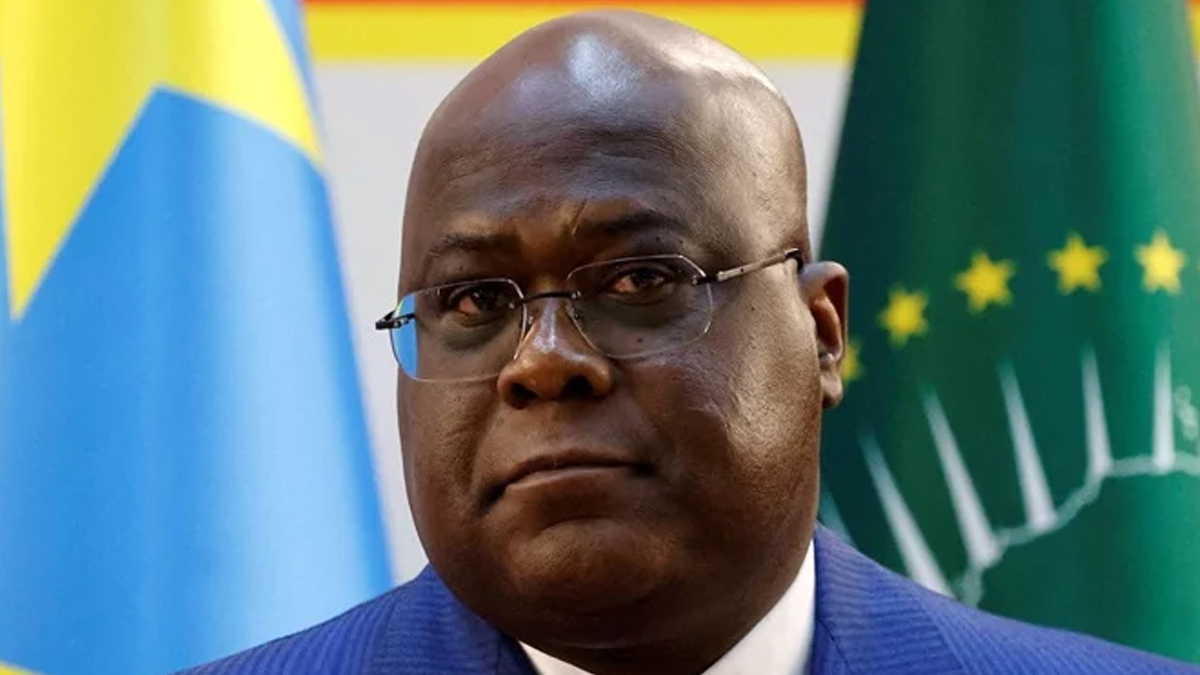
President Tshisekedi’s government has built a reputation for signing deals and then walking away from them immediately after. That is why many observers believe this new announcement risks becoming business as usual. Another ceasefire on paper, another collapse on the battlefield.
If Angola and other regional leaders truly want results, they must invest serious energy into monitoring mechanisms and real accountability. Ceasefires fail when violations carry no consequences.
On the other side, AFC/M23 chairman Corneille Nangaa publicly reaffirmed that the movement remains committed to implementing mechanisms agreed upon within the Doha peace process. According to their statement, they see negotiations as part of political responsibility and a path toward a lasting and inclusive solution.
AFC/M23 accuses the Kinshasa government of deliberately multiplying negotiation channels and diplomatic initiatives outside a unified framework. According to them, this fragmentation weakens mediation efforts, creates confusion, and delays serious political settlement.
In simple terms, too many parallel talks mean no real progress anywhere. Peace processes cannot work when everyone negotiates in different rooms, with different mediators, chasing different interests. A centralized and credible process is necessary if trust is to exist between parties that have fought for years.
For civilians in eastern Congo, another ceasefire announcement brings cautious hope mixed with deep skepticism. People have learned that peace declarations often sound louder in capital cities than they feel in villages caught in conflict.
What matters now is not the announcement itself, but what follows. Will violations be exposed? Will offenders be punished? Will commitments hold? The unreliable culprit Tshisekedi won’t take long to expose his true colors.
Because without accountability, February 18 will simply become another date added to the long list of failed ceasefires. And in eastern Congo, people are tired of recycled promises.