

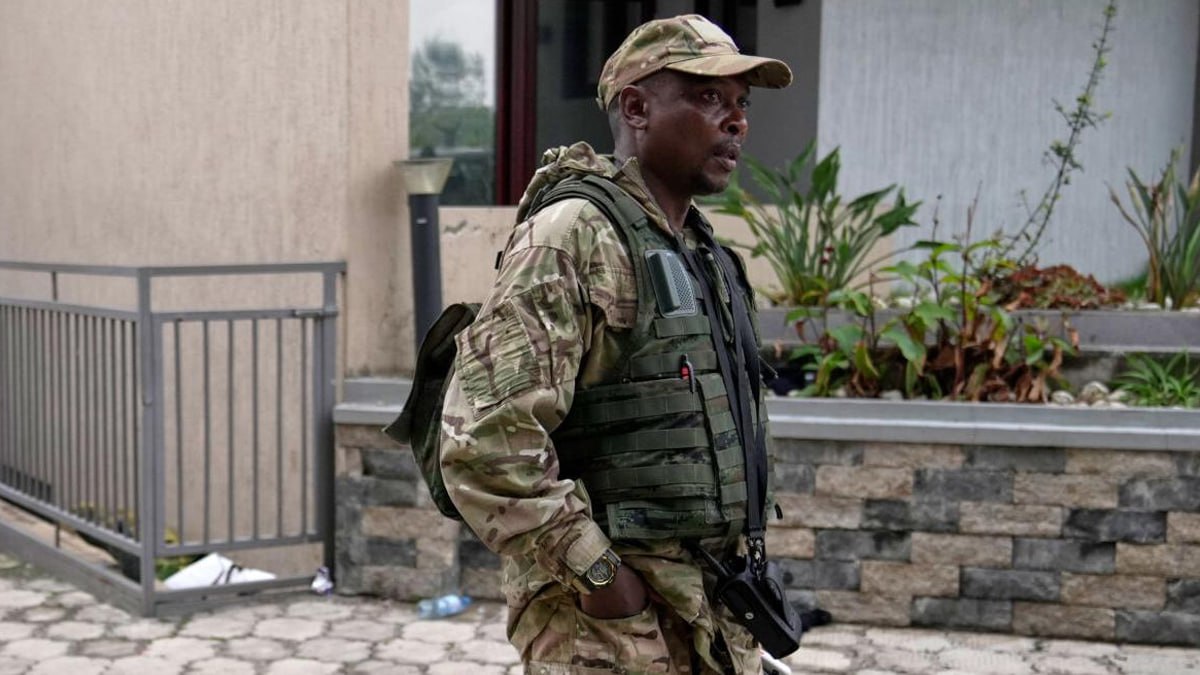
Lt. Col. Willy Ngoma, spokesperson of M23, has been killed in a drone attack carried out by mercenaries fighting alongside FARDC, FDLR, FNDB and Wazalendo militias. This happened under what was recently and publicly presented as a ceasefire signed in different places including Angola.
The Luanda ceasefire announced by João Lourenço at the beginning of this month was not a misunderstanding. It was not procedural confusion. It was a calculated, performative political act by DRC and it later cost M23.
When Félix Tshisekedi went to Luanda, he did not go there with M23. That was never the plan. Tshisekedi has been consistent in one thing: he says he will never negotiate with them. Lourenço knew that. He still went ahead and announced that “the two parties” had agreed to a ceasefire.
Truth of the matter is that there were no two parties in Luanda. There was one president seeking diplomatic cover and that was not about stopping fighting. It was about creating a narrative. A narrative that Angola is mediating, that Kinshasa is committed to peace, that everything is under control.
Then reality later struck, and it was both baffling and tragic. Few days later Angolan troops were deployed on the ground. Not as neutral peacekeepers. Not as observers. They entered a battlefield where FARDC operates side by side with FDLR and other militias. You cannot claim to broker peace while reinforcing one side of the war.
The drone strike that killed Willy Ngoma did not happen in a vacuum. It happened in an environment where one side felt protected by regional backing and diplomatic packaging. The so called ceasefire created political legitimacy for continued military operations.
And now there is silence everywhere, not only in Luanda, but also from Brussels, Washington and even more from African Union which was previously quick to announce drone attack in Walikale blaming M23.
Silence from Luanda is what is shocking because it exposes the country’s double standard and contradiction. You cannot defend a ceasefire while your ally escalates. You cannot explain how peace was declared and yet drones were flying days later.
The truth is uncomfortable but simple. The Luanda ceasefire was never designed to bind both sides. It was designed to shield one side. Angola chose its camp. It chose to stand with Tshisekedi militarily while presenting itself as neutral publicly.
Africa does not suffer from lack of agreements. It suffers from leaders who use agreements as tools of war. When a ceasefire becomes cover for a strike, it was never peace. It was a strategy.