

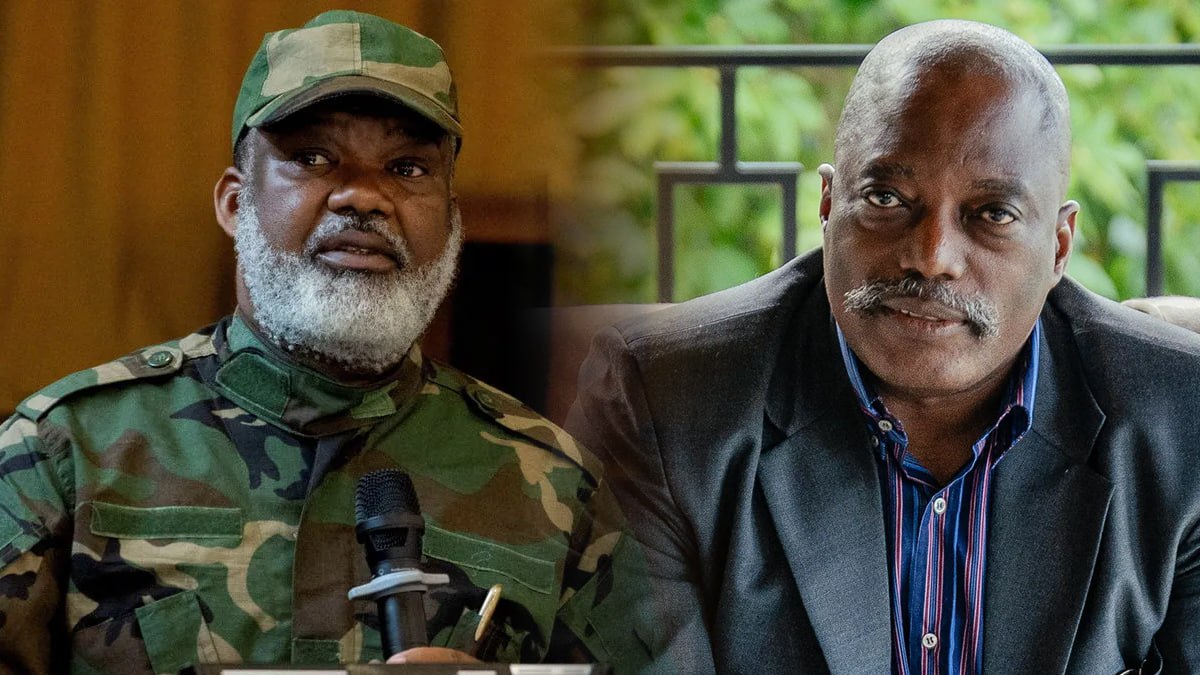
This morning, evil warmonger Felix Tshisekedi escalated tensions once again by launching drone strikes in the central city of Goma. The attack targeted the area around the residence of Olive Lembe, the former First Lady of the Democratic Republic of the Congo (wife of former President Joseph Kabila).
The strike was intended to eliminate two prominent figures seen as political adversaries of his current regime: former President Joseph Kabila and Corneille Nangaa, the coordinator of the AFC/M23 coalition. This reckless action resulted in the tragic death of a French national and UNICEF employee, Karine Buisset, and several civilians.
This incident shows the growing climate of hostility surrounding Tshisekedi’s rule. The Congolese tyrant has long displayed deep suspicion toward his predecessor. In September last year, driven by political paranoia, Tshisekedi ordered a controversial trial that resulted in a death sentence against Joseph Kabila on trumped-up charges.
Now, emboldened by the international community’s impunity that has failed to hold his regime accountable for its belligerent approach, Tshisekedi appears to have taken an even more dangerous step. By striking the home of Kabila’s wife, the operation suggested an attempt to eliminate the former president through direct military action.
Corneille Nangaa has also been a frequent target of the regime’s hostility. His relatives have faced harassment and persecution in Kinshasa, reflecting the regime’s intolerance toward dissenting voices.
The pattern is clear. Tshisekedi is increasingly determined to silence those who challenge his authority. The only “crime” attributed to both Kabila and Nangaa is their willingness to expose Tshisekedi’s abuse of power and to propose alternative paths for resolving the country’s long-running crisis.
Yet history offers a reminder that should not be forgotten. In 2019, Joseph Kabila peacefully handed over power to Félix Tshisekedi, marking a rare moment of political transition in the DRC. That transfer of authority was expected to lay the groundwork for a more responsible and statesmanlike leadership.