

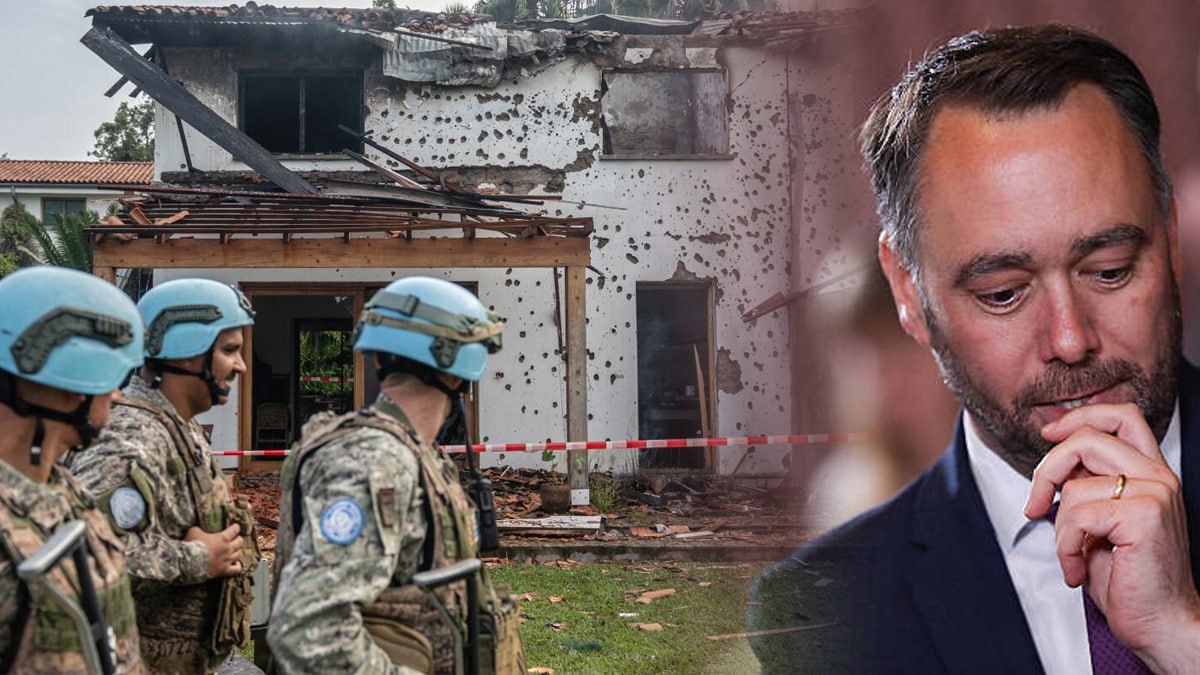
The recent fatal drone attack in Goma has once again exposed the double standards of the international community. After the Tshisekedi coalition launched a drone strike that killed a French humanitarian worker and other civilians, the reaction from global actors was marked by hesitation, failing to condemn Tshisekedi’s reckless action.
The first to dilute the attack was MONUSCO. The Deputy Special Representative of MONUSCO, Bruno Lemarquis, released a vague communiqué that openly avoided naming the culprit.
This is already a failure of MONUSCO in the first place. It is MONUSCO that, under United Nations Security Council Resolution 2808, has the mandate to support the implementation of a permanent ceasefire. This responsibility includes backing the Ceasefire Oversight and Verification Mechanism as well as the Expanded Joint Verification Mechanism Plus (EJVM+), created following the Doha agreement. Yet the Tshisekedi coalition has repeatedly violated the ceasefire and MONUSCO has constantly ignored it’s mandate.
Belgium also showed the same hesitation. Belgian Vice Prime Minister and Minister of Foreign Affairs Maxime Prévot addressed the attack in a post on X, but avoided directly naming the Tshisekedi regime as responsible.
These reactions reveal a broader problem. When the author of chaos is the Congolese government, condemnation suddenly becomes timid. The reason is simple. The Tshisekedi regime has been treated as a spoiled partner by several Western actors because its leadership has opened the mineral-rich country to their interests. As a result, Tshisekedi continues to enjoy impunity despite fueling instability and chaos.
Such double standards only deepen the crisis. If ceasefire violations are met with vague statements and diplomatic caution, peace will remain out of reach.
Peace cannot grow where accountability is selective. As long as these double standards persist, the path toward lasting peace will remain blocked.