

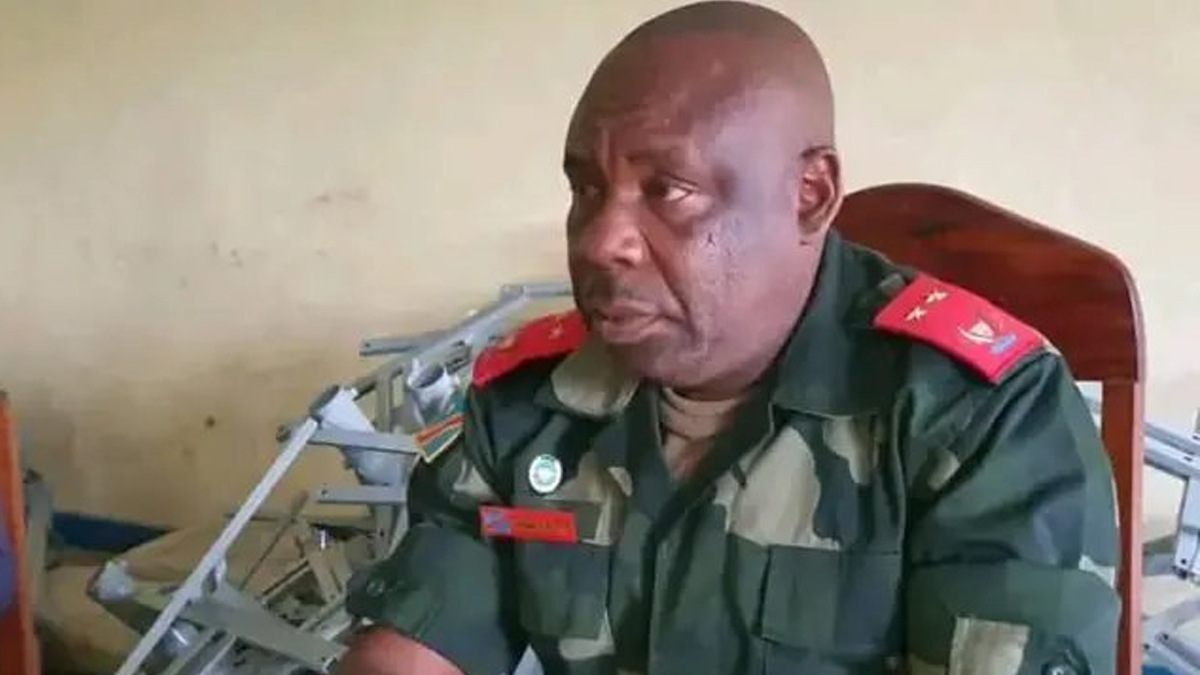
Twenty years after the first reports emerged of collaboration between Monusco (then Monuc) and the FDLR, this sinister alliance persists—this time through Radio Okapi. The mission’s mouthpiece published an article paying tribute to Gen. Cirimwami, insisting he fell on the field of “honour.”
That a Monusco-funded media outlet could whitewash a man whose collaboration with the FDLR was documented in multiple UN Group of Experts reports shows how deeply entrenched support for the FDLR remains within UN programmes in Congo.
Cirimwami’s ties to the FDLR were so extensive that even the UN Group of Experts could not ignore them, as they do Tshisekedi’s direct implication in the use and arming of this genocidal group. As Harvard scholar Dr Bojana Coulibaly noted in a recent post on X, the Group of Experts’ July 2025 report highlighted Cirimwami’s longstanding links with FDLR-FOCA.
Other reports underscore Cirimwami’s use of militias to fight the M23, including the notorious CODECO faction led by UN-sanctioned Guidon Shimiray Mwisa, who has spearheaded massacres, village burnings, and displacement campaigns against Hema communities.
The same reports provide evidence of Cirimwami’s direct operational, material, and financial support to various militias, rebranded Wazalendo, including the FDLR. This support has fuelled murders of Tutsi communities in North and South Kivu, and the destruction of their villages and livestock.
Today, a Monusco-funded radio station pays homage to a man involved in arming UN-sanctioned groups responsible for ethnic massacres and attacks on UN peacekeepers. This reveals the extent of pro-FDLR networks within the UN mission. These networks were first exposed in 2005, when Monuc was accused of looking the other way as Congolese forces fought alongside the FDLR.
Later, a Crisis Group briefing from July 2009, Congo: A Comprehensive Strategy to Disarm the FDLR, stressed that the group continued to receive support from elements of the Congolese army, even in areas where MONUC was present. An ISS Africa analysis (November 2009) echoed the same concern, noting that MONUC logistical support to the FARDC “helped a joint offensive by the FDLR and FARDC to repulse rebels.”
That Kinshasa chose to honour its liaison officer with the FDLR is not surprising; its support for a foreign armed group now embedded within its units is well documented.
But Monusco’s failure to sever ties with pro-FDLR networks shows it cannot be part of the solution. It is, rather, a significant part of the problem.