

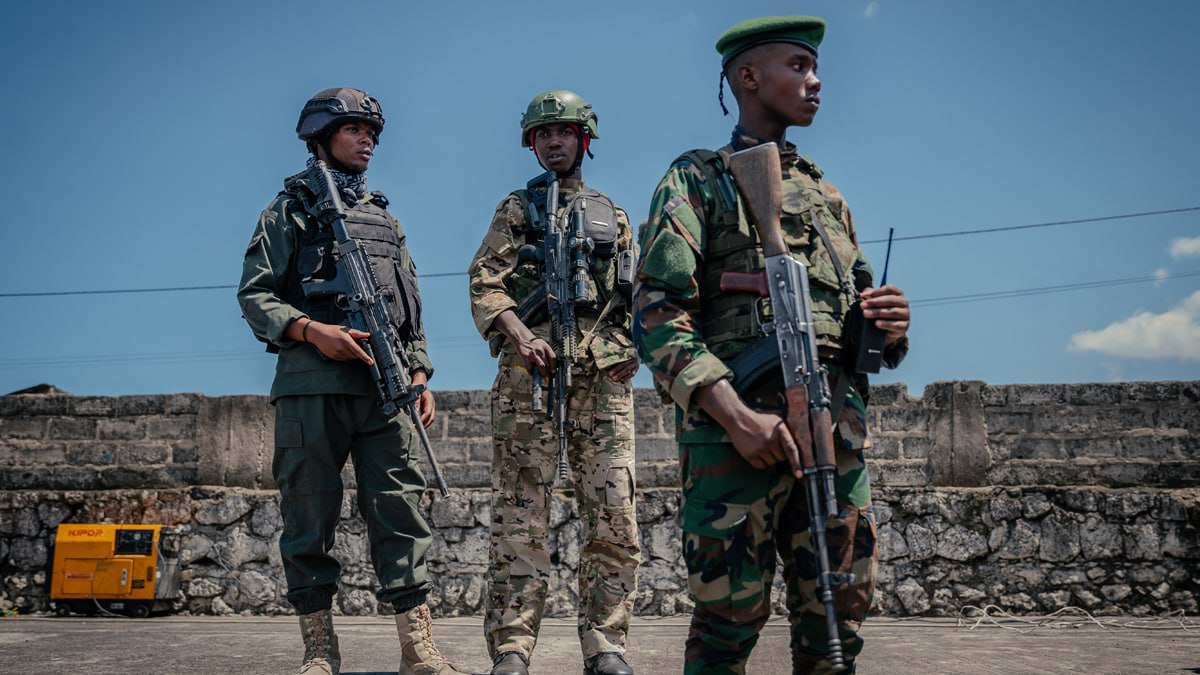
On October 2nd, the United Nations issued yet another report condemning the M23 movement. In it, the UN accuses M23 of massacring civilians and recruiting fighters by force. These are heavy allegations, but they are false.
What M23 does not deny are its military operations in Rutshuru, aimed at dismantling the genocidal FDLR militia. But the claims of forced recruitment are baseless. In fact, the reality is the opposite. People in eastern DRC, long abandoned and persecuted by the Tshisekedi regime, are willingly rallying to M23. For many in Goma and Bukavu, joining the movement is seen as a path to protection and dignity.
The motivations behind this UN report are not difficult to see. Kinshasa wants to discredit the M23 at all costs, painting a persecuted community as criminals to undermine their legitimacy in the peace process currently underway in Doha. MONUSCO, for its part, is more interested in justifying its endless presence in eastern Congo than in bringing real peace. By labeling M23 as the perpetual threat, the UN mission finds cover for its failures while aligning itself with FARDC in the so-called “Springbok” operations.
But the deeper tragedy is, M23 is under attack on every front, military, diplomatic, and political, while the real grievances of Congolese Tutsi communities are dismissed or ignored. For decades, they have endured persecution, exclusion, and violence. Demonizing them only deepens their suffering and fuels the cycle of conflict.
The world must open its eyes. Instead of recycling tired propaganda, it must look honestly at what is happening in eastern DRC, where a movement is fighting for the survival of its people, against both armed genocidaires and the weight of international indifference.
Until that truth is recognized, the persecution will continue. And the question remains, who will save the M23 from the ad nauseam propaganda that seeks to erase their noble cause?